Risk Based Inspection

Blank Image

In oil and gas, petrochemical, chemical processing, power generation, and other asset-intensive industries, operators face a persistent challenge: maintaining equipment integrity without creating unnecessary inspection costs, excessive downtime, or unacceptable safety risks. Aging infrastructure, corrosion, changing operating conditions, and increasingly demanding regulatory requirements make a standardized inspection schedule insufficient for many facilities.

A Risk Based Inspection (RBI) provides a structured method for focusing inspection and maintenance plans on the equipment and degradation mechanisms that present the greatest risk. A risk based inspection evaluates equipment by considering two fundamental factors: the Probability of Failure (POF) and the Consequence of Failure (COF).

In simplified terms, risk is determined by combining the likelihood of an equipment failure with the severity of its potential consequences. This allows operators to prioritize inspection resources where they can deliver the greatest safety, reliability, and economic benefit.

SMARTCORR® provides innovative integrated corrosion management solutions, advanced In-Line Inspection (ILI), monitoring technologies, and RBI services by request. These capabilities help operators develop a more complete understanding of asset condition and make informed integrity management decisions.

Contact us today to learn more.
Risk Based Inspections for Oil & Gas Asset Integrity

The primary objective of an RBI program is to support asset integrity by identifying, evaluating, and managing the risks associated with equipment deterioration and failure. Instead of applying identical inspection frequencies across an entire facility, RBI directs greater attention toward assets with higher risk profiles while allowing appropriate optimization of inspection intervals for lower-risk equipment.

RBI methodologies can be applied across industries including oil and gas production, midstream operations, refining, petrochemicals, chemical processing, and power generation. Depending on the facility and applicable standards, programs may address pressure vessels, piping systems, storage tanks, process equipment, pipelines, heat exchangers, and other fixed equipment.

SMARTCORR® combines asset integrity knowledge with corrosion management, ILI, Magnetic Flux Leakage (MFL), monitoring, and related technical capabilities. This integrated approach helps organizations move from simply collecting inspection data to using that information to support practical integrity decisions.

Why Build a Risk Based Inspection Program?

Inspection resources are finite, yet not every piece of equipment presents the same level of risk. Conventional time-based inspection strategies can result in excessive attention being given to low-risk assets while more critical degradation mechanisms require additional resources. An RBI program helps address this imbalance.

By prioritizing equipment according to risk, organizations can optimize inspection activities, reduce unnecessary inspection-related expenditures, minimize avoidable downtime, and concentrate technical resources on higher-risk equipment. An effective program can also improve safety and reliability by identifying critical damage mechanisms before they contribute to significant failures.

SMARTCORR® differentiates its approach through the integration of inspection, corrosion management, ILI, monitoring, and asset integrity capabilities. The intended result is measurable inspection optimization: better prioritization, defensible inspection intervals, improved resource allocation, and stronger inspection and maintenance plans. Contact us today to learn more.

Risk Based Inspection Process Overview

A credible RBI process generally follows a repeatable, documented methodology:

  1. Define the RBI scope, objectives, equipment boundaries, and project team.
  2. Collect and validate relevant asset, operating, inspection, and corrosion data.
  3. Identify credible damage mechanisms.
  4. Assess Probability of Failure.
  5. Evaluate Consequence of Failure.
  6. Determine and rank overall risk.
  7. Develop inspection priorities, methods, coverage, and intervals.
  8. Execute inspections and capture results consistently.
  9. Update the RBI assessment as conditions and information change.

The quality of the analysis depends heavily on the quality of its inputs. Equipment design information, materials, process conditions, operating history, inspection records, corrosion data, failure history, and applicable management-system information should therefore be assembled and reviewed before conclusions are finalized.

Data Collection for Risk Based Inspection

Data collection establishes the technical foundation of the RBI assessment. Design specifications, equipment drawings, material specifications, wall thicknesses, design pressures and temperatures, and relevant construction information should be compiled where available. Operating conditions are equally important. Actual temperatures, pressures, fluid compositions, throughput, process excursions, and equipment duty cycles can influence degradation rates and damage mechanisms.

Historical inspection data and failure records provide additional evidence about equipment performance. Previous Non-Destructive Testing (NDT) results, thickness measurements, repairs, replacements, leaks, and known damage should be incorporated into the assessment. Where corrosion management programs are in place, corrosion monitoring results, chemical treatment records, inhibitor dosing data, cathodic protection information, and other relevant integrity information should also be evaluated.

Inspection Planning and Risk Based Inspection Scope

Once risk has been characterized, the results can be translated into a targeted inspection plan. Equipment is prioritized according to its risk ranking, allowing inspection resources to focus on the assets where deterioration could have the greatest impact. Inspection techniques should be selected according to the anticipated damage mechanism.

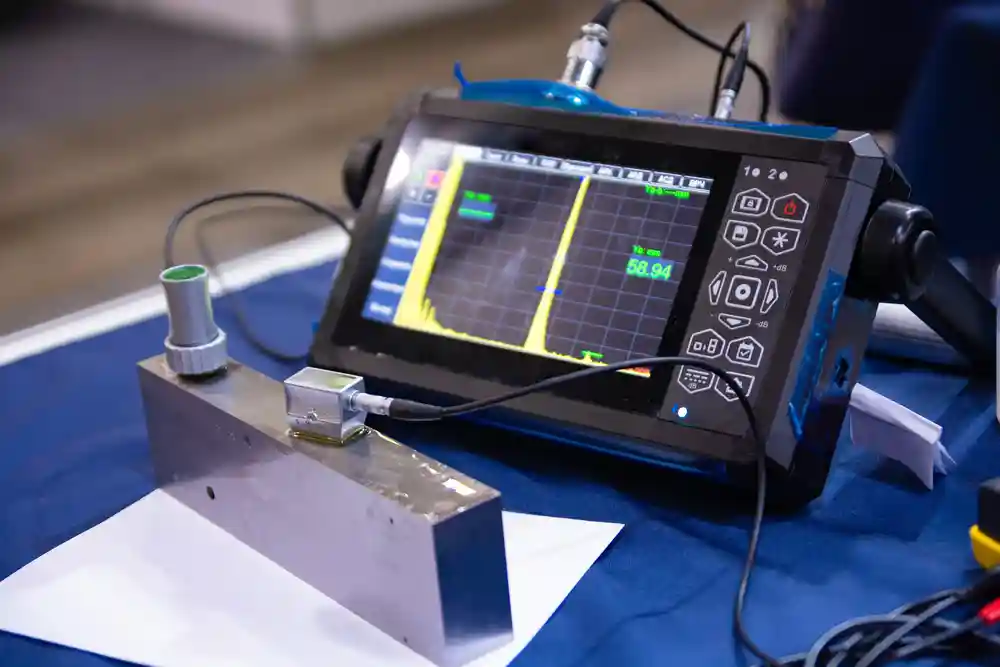
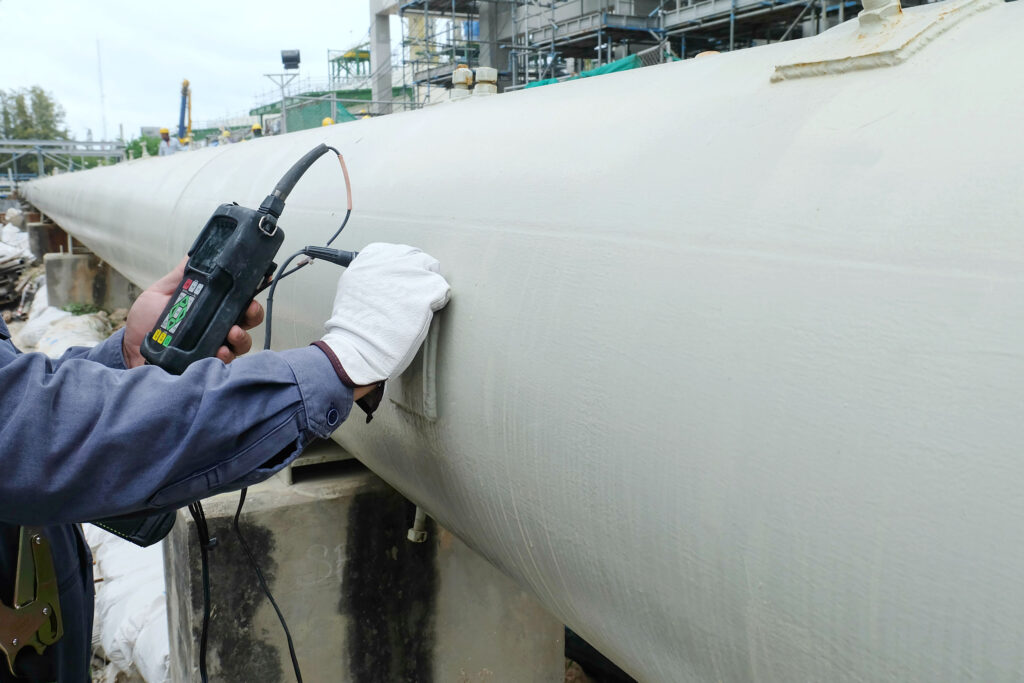
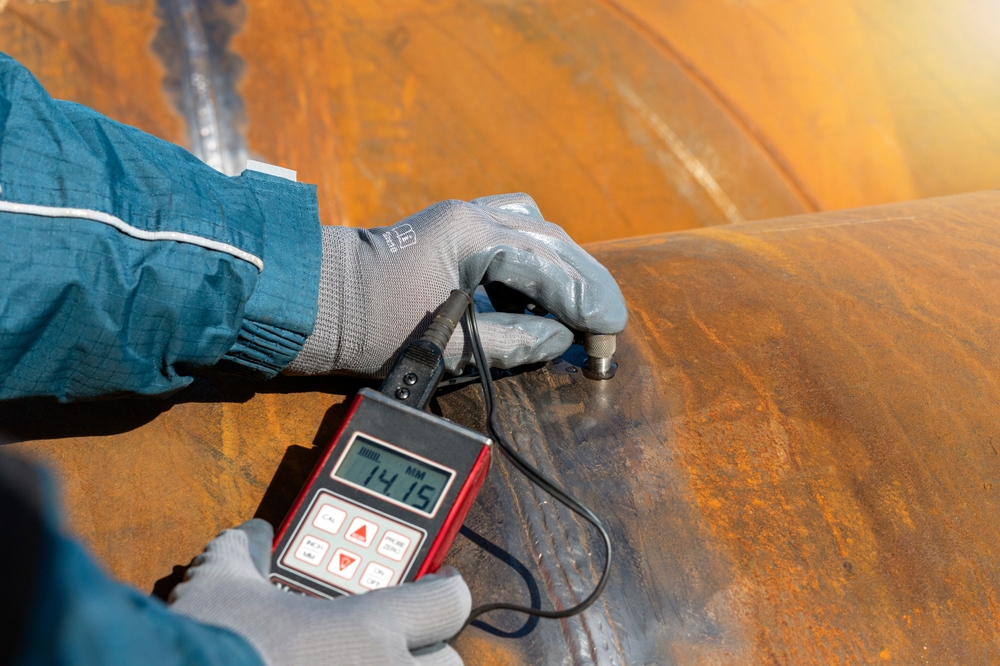
Methods may include ultrasonic testing, radiography, magnetic particle testing, liquid penetrant testing, visual examination, MFL, and other appropriate NDT technologies. The plan should also define inspection coverage, locations, access requirements, preparation needs, and any operational constraints. These details transform the RBI analysis into an executable field program.

Probability of Failure (POF) Assessment

Probability of Failure (POF) addresses the likelihood that equipment will fail within a defined period or operating scenario. The assessment begins by identifying active and potential damage mechanisms. Depending on the equipment and process environment, these may include general or localized corrosion, erosion, cracking, fatigue, high-temperature degradation, or other forms of deterioration.

Where applicable, methodologies consistent with the American Petroleum Institute Recommended Practice (API RP) 581 can be used to support quantitative or semi-quantitative POF assessments. A robust evaluation should also recognize uncertainty in data, degradation rates, inspection effectiveness, and relevant management-system factors rather than presenting uncertain inputs as precise predictions.

Consequence of Failure (COF) Evaluation

Consequence of Failure (COF) considers what could happen if an asset fails. Potential consequences may include injuries and other safety risks, environmental releases, equipment damage, loss of containment, production interruption, and broader operational impacts. Financial consequences may incorporate lost production, repair costs, cleanup costs, replacement expenses, and other credible business losses. COF results can then be classified into defined categories so that consequences can be compared consistently across the facility.

Risk Matrix and Prioritization

RBI combines POF and COF to establish an overall risk ranking. In simplified form: Risk = POF × COF. Assets can then be assigned to risk bands or categories using an established risk matrix or other approved methodology. Higher-risk assets generally receive greater inspection priority, while lower-risk assets may qualify for optimized or extended inspection intervals where technically justified and permitted by applicable requirements. This prioritization enables operators to map inspection resources, budgets, personnel, and shutdown opportunities directly to identified integrity risks.

Asset Integrity and Corrosion Control Integration

RBI should not operate independently from the wider asset integrity program. Its findings can inform corrosion control plans and identify where additional mitigation measures are appropriate. Depending on the identified degradation mechanism, recommendations may include changes to cathodic protection systems, corrosion inhibitor programs, process controls, coatings, linings, monitoring programs, or materials of construction. Where repeated degradation is detected, material upgrades or other engineering modifications may provide a more sustainable solution than relying solely on increasingly frequent inspection.

Inspection Execution and Field Data Capture

Once the inspection plan has been approved, NDT activities should be performed using the selected techniques and applicable procedures. Consistent data capture is critical. Standardized field reporting templates help ensure that inspection teams document locations, methods, observations, measurements, anomalies, and equipment condition in a format suitable for subsequent analysis. Inspection results should then be uploaded to a centralized repository or integrity management system where they can be reviewed, trended, and incorporated into future RBI assessments.

SMARTCORR® Tools, ILI, and Monitoring Services

SMARTCORR® supports operators with RBI consulting services by request as part of a broader portfolio of asset integrity and corrosion management capabilities. Advanced ILI and MFL capabilities can provide valuable information about metal loss and other integrity concerns in pipelines and suitable assets. Corrosion monitoring services can further support the assessment of changing deterioration conditions between major inspections. Depending on operational requirements, corrosion monitoring, leak detection, ILI, and related integrity technologies can be integrated with RBI findings to create a more informed and responsive integrity management strategy.

Get Started

A successful risk based inspection program should produce more than a risk ranking. It should provide practical, documented deliverables that help operators determine what to inspect, where to inspect, how to inspect, and when inspection should occur.

SMARTCORR® is a global leader in providing a wide range of targeted, comprehensive solutions to the oil and gas, energy and petrochemical industries. Our array of equipment, software and services helps customers achieve asset integrity and reliability, sustainability objectives and profitability while prioritizing safety.

If your organization is ready to partner with us, we are ready to help. We support organizations seeking to establish or enhance RBI programs through asset integrity expertise, corrosion management solutions, advanced ILI, MFL, monitoring, and related services.

A pilot RBI assessment can provide an effective starting point. By selecting a representative asset group or process area, operators can evaluate the methodology, establish risk rankings, develop optimized inspection and maintenance plans, and identify measurable opportunities before expanding the program across a larger facility. Contact us today to learn more.