In-Line Inspection Services

Blank Image

In-Line Inspection Services

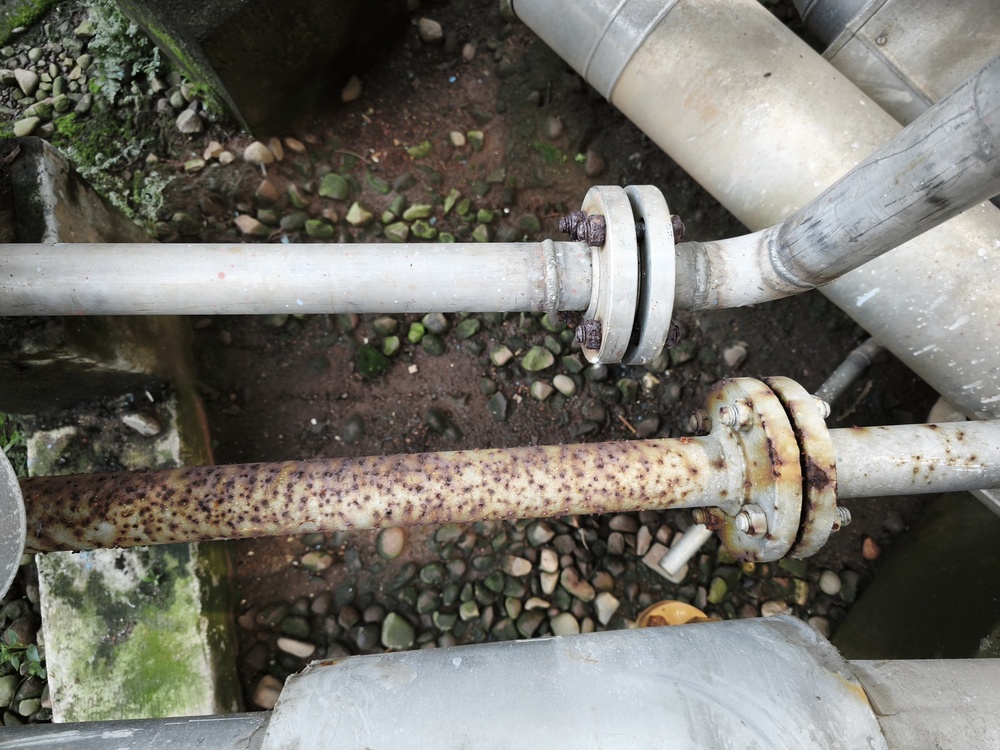
Pipeline systems operate under demanding conditions where corrosion, metal loss, cracking and mechanical damage can compromise reliability over time. In-Line Inspection (ILI) services give pipeline operators a non-destructive method for evaluating pipeline condition, identifying integrity threats and making informed maintenance decisions without unnecessarily taking critical infrastructure out of service.

An In-line Inspection (ILI) involves sending specialized inspection equipment, commonly called an intelligent or smart pig, through a pipeline. Sensors collect information about the pipe wall, geometry and potential anomalies as the tool travels through the line. The resulting data helps operators locate and characterize defects so they can prioritize further investigation, repair or monitoring.

SMARTCORR® provides pipeline integrity solutions for oil and gas, energy and petrochemical applications. Our high-precision Magnetic Flux Leakage (MFL) ILI tools operate in both gas and liquid pipelines and are designed to identify and assess metal loss and other pipeline features. Contact us to learn more.
Inspection Tools and Technologies

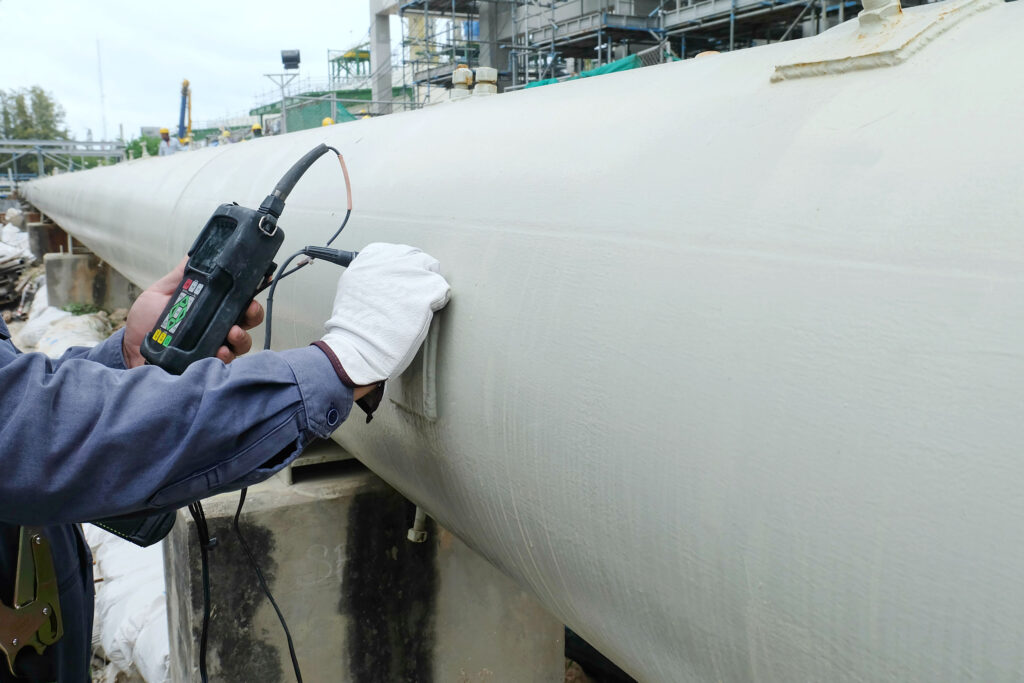
Selecting the appropriate pipeline inspection technology starts with understanding the threats an operator needs to identify. MFL is particularly valuable for detecting metal loss in steel pipelines. SMARTCORR® MFL inspection tools can detect pitting corrosion, general metal loss, axial and circumferential gouges and grooves, cracks and weld anomalies. The technology can also distinguish internal and external features and provide information concerning a defect’s area, extent, location and direction.

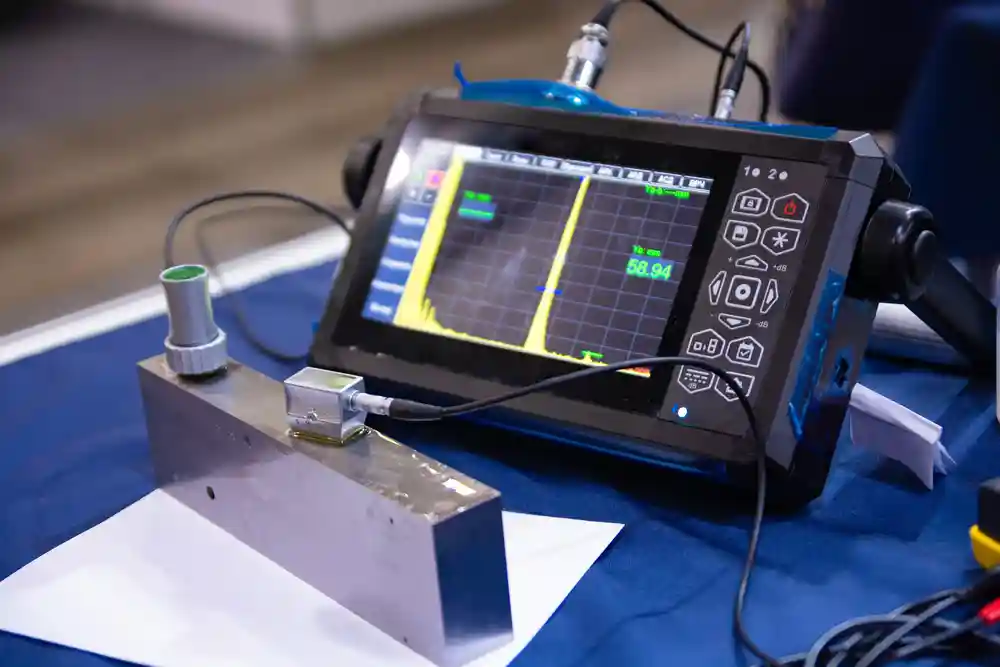
Other ILI technologies may be appropriate for different integrity threats. Ultrasonic Testing (UT) provides direct pipe-wall thickness measurements and typically requires a liquid medium. Electro-Magnetic Acoustic Transducer (EMAT) technology can identify stress corrosion cracking and fatigue cracks without requiring a liquid couplant.

Caliper or geometry inspection tools are used to identify dents, deformation and other changes to pipeline geometry. Tool configuration should therefore be based on the primary integrity threat, pipeline medium, diameter, wall thickness, geometry and operating conditions rather than selecting one technology for every application.

Technical Capabilities and Limitations

SMARTCORR® offers high-resolution MFL tools in nominal sizes ranging from 6 inches through 56 inches. Our technology can accommodate multiple diameters as well as high-pressure pipelines and high-velocity media. MFL inspection is suitable for both gas and liquid pipelines, making it a flexible option for many steel pipeline applications.

Every inspection technology also has limitations. UT’s need for a liquid medium, for example, can make it less appropriate for certain gas pipelines, while MFL is primarily selected when metal loss and corrosion are major concerns. EMAT may be preferable when cracking is the dominant threat.

Before selecting an ILI tool, operators should evaluate diameter, bend radius, tee configuration, reduced-bore valves, internal coatings and other physical or operational restrictions. SMARTCORR® performs pre-run engineering assessments to identify these constraints and determine an appropriate tool configuration.

In-Line Inspection Service Offerings

Conventional pigging allows a free-running inspection tool to move through a pipeline using the product flow. Where conventional inspection is challenging, an integrity program may require specialized short-run or tethered inspection approaches based on line configuration and accessibility.

Combining inspection technologies can also reduce the number of individual runs required. MFL and other inspection technologies can be deployed together when appropriate, giving operators complementary information while improving inspection efficiency. In-field non-destructive testing can then complement ILI findings by examining selected indications directly and providing additional information for integrity decisions.

Inspect Pipelines: Pigging, Cleaning and Preparation

Successful pipeline inspection services begin before the inspection tool enters the line. Cleaning pigs can be used to remove accumulated debris, deposits and other material that could interfere with tool movement or sensor performance. Operators should evaluate debris, scale and sand conditions and confirm that the pipeline provides suitable access for the selected inspection method. Launcher and receiver dimensions, valve bore, tees, bends and other restrictions should be reviewed as part of pre-run planning.

SMARTCORR®’s broader integrity offering includes sand monitoring and corrosion monitoring technologies, allowing inspection findings to be considered alongside ongoing operating data. Contact us to learn more.

Data Analysis, Reporting and Integrity Management

Collecting inspection data is only the beginning. ILI information must be cleansed, verified, analyzed and translated into actionable integrity recommendations. A comprehensive program should include qualified Level 2 or Level 3 analyst review as appropriate to the inspection technology and applicable standards. Data verification should confirm signal quality, remove or flag unreliable information and correlate identified anomalies with pipeline features and reference points.

SMARTCORR® uses advanced software with automated AI-assisted data analysis and provides immediate onsite data verification. Preliminary and final reports can be completed within a maximum of 30 days.

Asset Integrity and Corrosion Control Integration

The greatest value of ILI comes from integrating inspection findings into a broader asset integrity strategy. Identified external corrosion can inform reviews of cathodic protection performance, while internal corrosion trends can support adjustments to chemical inhibitor and chemical injection programs. ILI findings can also contribute to Risk-Based Inspection (RBI) by supplying current information about degradation mechanisms, defect locations and severity.

SMARTCORR® provides cathodic protection, chemical injection, corrosion monitoring, RBI and in-line inspection solutions, enabling inspection information to become part of a more comprehensive corrosion management strategy. This integration helps pipeline operators move from reactive maintenance toward proactive integrity management.

In-Line Inspection Solutions for Difficult Pipelines

Not every pipeline was designed with intelligent pigging in mind. Varying diameters, tight bends, tees, reduced-bore valves and other restrictions can complicate an inspection. SMARTCORR® addresses challenging geometries through pre-run engineering and customizable tool configurations. Its MFL tools feature titanium-alloy supporting wheels and can be customized for multiple diameters and demanding operating conditions.

For difficult-to-pig laterals and other nonstandard applications, project planning should address tool passage, access, recovery procedures and contingencies for a stalled inspection pig before deployment. The appropriate approach depends on the individual pipeline configuration and operating environment.

Next Steps

SMARTCORR® supports pipeline integrity projects through global field teams and operations in North America, the Middle East, Eurasia, and Asia Pacific. Our experience includes more than 5,000 kilometers of pipeline inspections across diverse pipeline systems.

SMARTCORR® is a global leader in providing a wide range of targeted, comprehensive solutions to the oil and gas, energy and petrochemical industries. Our array of equipment, software and services helps customers achieve asset integrity and reliability, sustainability objectives and profitability while prioritizing safety. Contact us to learn more.