在这里,您可以找到有关各行业腐蚀控制解决方案的最新趋势和资源。无论您是在寻找深入的技术细节、实际应用指南,还是在寻找最新的行业创新,我们的资源和教育中心都能满足您的需求。
欢迎访问我们的资源中心

Types of Corrosion in Oil and Gas Pipelines
Nothing lasts forever, and that can create some major headaches for operators in the oil and gas sector. The pipelines they depend on for safe and efficient transmission of their precious resources are made of metal, and even the strong metals can fall victim to the insidious effects of corrosion over a long enough period ... Types of Corrosion in Oil and Gas Pipelines

管道维护的革命性变革:MFL Pigging 技术的作用
在所有行业中,石油和天然气行业的基础设施最为复杂,维护要求也最高,长达数英里的管道必须保持在最佳状态,才能实现最高生产率。用肉眼进行管道检测几乎是不可能的,尤其是考虑到管道内部和外部都可能发生腐蚀和点蚀。 幸运的是,操作人员和检查人员可以利用磁通量泄漏(MFL) 技术,以相对简便的方式快速检测管道中可能存在的任何缺陷或瑕疵。通过使用磁通量泄漏检测技术,石油和天然气公司可以密切关注其最重要的资产,防止出现严重问题。 MFL Pigging 的工作原理是什么? 管道疏通是指使用一种称为管道疏通器的专用工具,将其插入管道并随流体或气体的流动而进行疏通的过程。在许多应用中,该过程用于清洁管道内部,但使用智能猪后,它还可用于无损检测和管道检查。 MFL 猪身上装有强力磁铁,当管道通过时,磁铁会在管道周围产生磁场。安装在管道外部的传感器用于检测磁场中的任何异常。当 MFL 猪通过管道时,从金属中泄漏出的磁通量的变化通常表示金属状况因点蚀、开裂、侵蚀或腐蚀而发生变化的区域。该设备的灵敏度很高,操作人员可以检测到异常的精确尺寸,以跟踪管道完整性恶化的进展情况。 管道检测中使用 MFL Pigging 的好处 在石油和天然气行业中,MFL 管道检测技术得到了广泛应用,这是有充分理由的。使用该技术检测管道可为运营商带来多种好处,包括 减少停机时间: 由于检测工具可在使用过程中引入管道内部,因此无需停产。在进行 MFL 检测时,操作员可以继续照常工作。 高精确度: 检测磁通量泄漏是一种极其精确的管道检测方法,这要归功于所采用技术的灵敏度。先进的软件会对数据进行分析,为操作人员提供详细、精确的管道状况测量数据,以便他们做出最明智的维护和维修决策。 更高的效率: MFL 工具可以高速运行管道,而不会降低所生成数据的准确性。更重要的是,该软件能够对结果进行即时分析,因此无需等待报告即可做出任何决定。 卓越的多功能性: 该技术可应用于液体和气体管道,具有相同的高性能。它还可用于检测各种管道中的金属损耗,无需对不同直径、中速或内部压力进行调整。 集成: MFL 养猪技术的另一个重要优势是,它可以与其他检测技术相结合,互不干扰。这意味着操作员可以将多个流程合并为一项操作,并减少所需的工具运行次数。 MFL Pigging 与其他检测技术相比有何优势 磁通量泄漏是管道运营商可能采用的两种主要无损检测方法之一。另一种是超声波检测 (UT),它使用超声波来检测UT工具穿过管道时金属厚度的任何变化。每种方法都有其长处,例如 UT 管道检测增强了检测管壁整体厚度的能力。另一方面,MFL 技术通常可以在更高的流速下使用,而且通常能更好地发现微小缺陷。选择正确的方法需要了解具体管道的质量以及检测的目的。 不过,智能管道检测的主要优势之一是可以同时集成多种检测技术。MFL 测试和超声波测试可以结合起来同时进行,使管道运营商可以灵活选择对特定基础设施和资产最合理的方法。同时使用多种检测方法意味着运营商可以弥补每种方法的不足,而无需单独进行多项检测。 流化床测试在管道维护和安全中的作用 相对简单方便的 MFL 管道测井技术使其成为保持管道高效安全运行的重要工具。它能够快速、轻松地扫描缺陷和异常,这意味着管道的潜在问题可以在发展成更严重的问题之前被发现和处理。这不仅可以避免代价高昂的停机时间和潜在的生产损失,还可以提高现场安全性。使用 MFL 进行在线检测有助于防止意想不到的管道破裂和其他设备故障,这些故障可能会给工人带来危险并对环境造成危害。通过定期进行 MFL 检测,运营商可以确保其资产在尽可能长的时间内保持良好的工作状态。 MFL 油气监测系统使石油和天然气行业的工作变得更加轻松,让运营商能够在不牺牲效率或产量的情况下,准确、可操作地了解其基础设施的健康状况。得益于其卓越而经济高效的能力,我们有理由相信,在可预见的未来甚至更长的时间里,MFL 检测将继续成为该行业的基石。
Pipeline Leak Detection Systems
Pipeline leak detection systems monitor pipelines for operating conditions or physical changes that may indicate a release. They are widely used in oil and gas, petrochemical, energy, chemical processing, and other industries where pipelines transport liquids or gases. A pipeline leak detection strategy can incorporate internal monitoring, external sensors, computational models, inspections, and visual verification. ... Pipeline Leak Detection Systems

The Benefits of an Integrated Management System
Industrial organizations often manage quality, environmental performance, occupational health and safety, asset integrity, corrosion, maintenance, and regulatory compliance through separate programs. Although each program may serve an important purpose, managing them independently can create duplicated documentation, disconnected data, overlapping audits, and inconsistent decision-making. An integrated management system brings related management systems together within a coordinated ... The Benefits of an Integrated Management System
What Is Magnetic Flux Leakage?
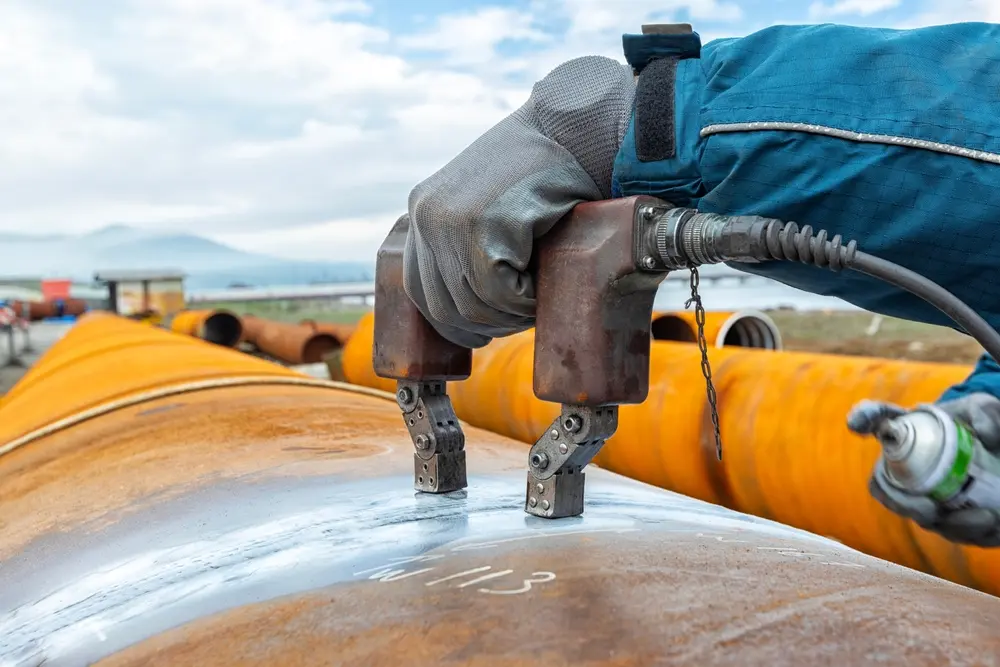
What is magnetic flux leakage? Magnetic flux leakage (MFL) is a nondestructive testing method used to identify corrosion, pitting and other areas of metal loss in ferromagnetic materials such as steel pipelines. MFL inspection gives operators valuable information about asset condition, helping them prioritize maintenance, verification and repair decisions before damage threatens reliability. How Does ... What Is Magnetic Flux Leakage?
What Is the Difference Between Corrosion and Erosion?
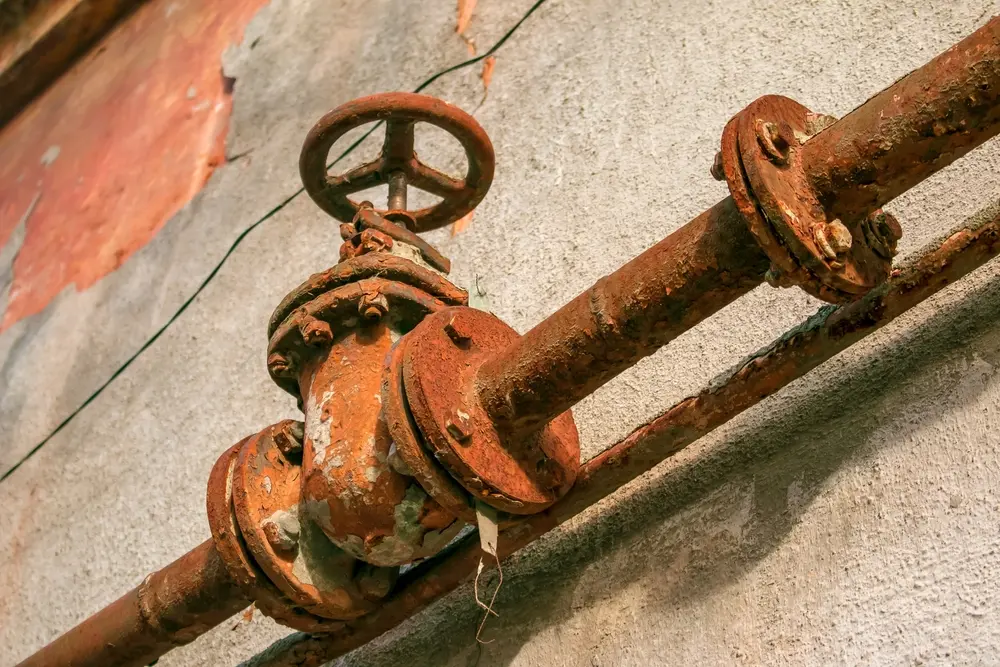
Corrosion and erosion are two distinct forms of material degradation that can affect pipelines, process equipment, tanks, vessels, and other industrial assets. Although both can result in metal loss and eventually compromise equipment integrity, the mechanisms responsible for that damage are different. Corrosion is primarily a chemical process or electrochemical process in which a material ... What Is the Difference Between Corrosion and Erosion?
The Importance of Chemical Analysis in Oil & Gas Corrosion Control
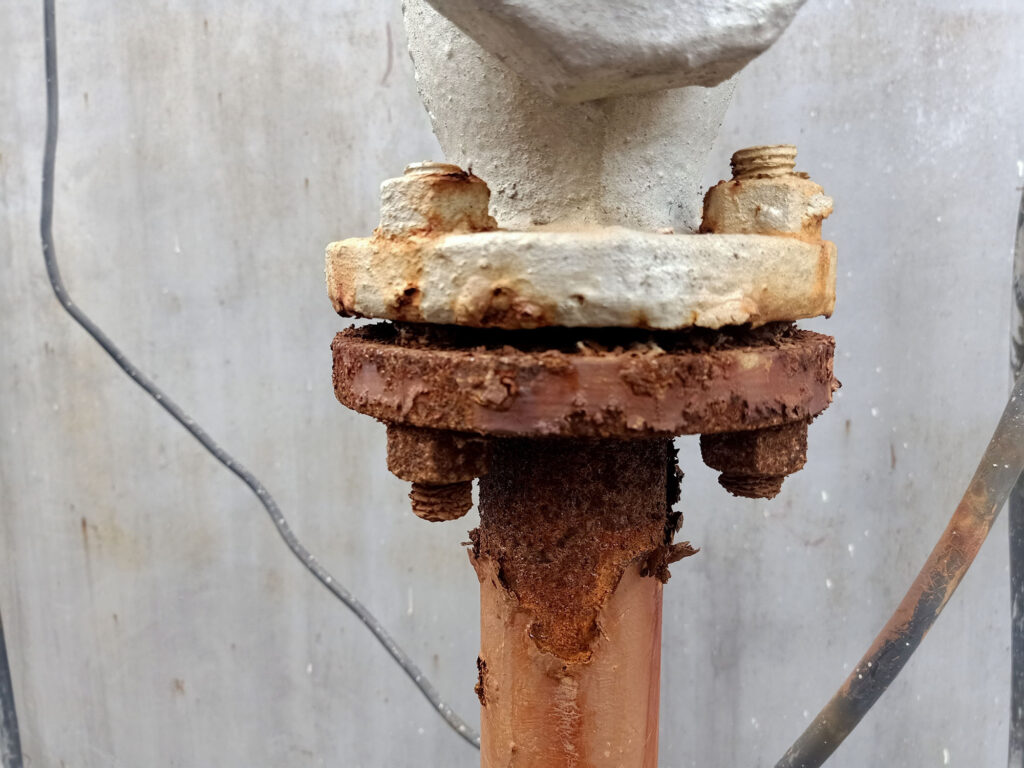
Unlike many other industries, the fluids produced in the oil and gas sector are not inert. Every barrel of oil or cubic foot of gas contains a cocktail of H2S, CO2, chlorides, water, dissolved oxygen, and organic acids. These actively attack carbon steel infrastructure including pipelines and vessels, potentially leading to corrosion that costs the ... The Importance of Chemical Analysis in Oil & Gas Corrosion Control
Corrosion Inhibitor Chemicals: Types, Mechanisms, and Selection
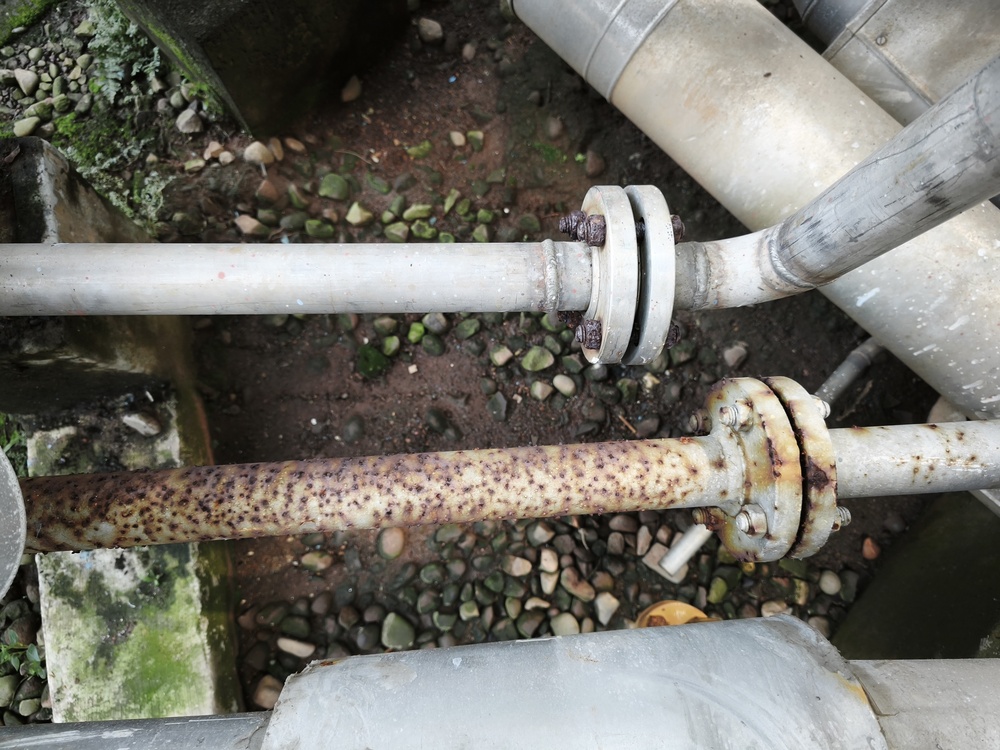
Corrosion Inhibitor Chemicals and Why Oil & Gas Operators Rely on Them Corrosion inhibitor chemicals are specialized compounds added in low concentrations to a process stream, water system, or enclosed environment to reduce the electrochemical deterioration of a metal surface. The Association for Materials Protection and Performance states a corrosion inhibitor works by slowing the ... Corrosion Inhibitor Chemicals: Types, Mechanisms, and Selection
Pipeline Wall Thickness Measurement: Methods, Standards, and Compliance
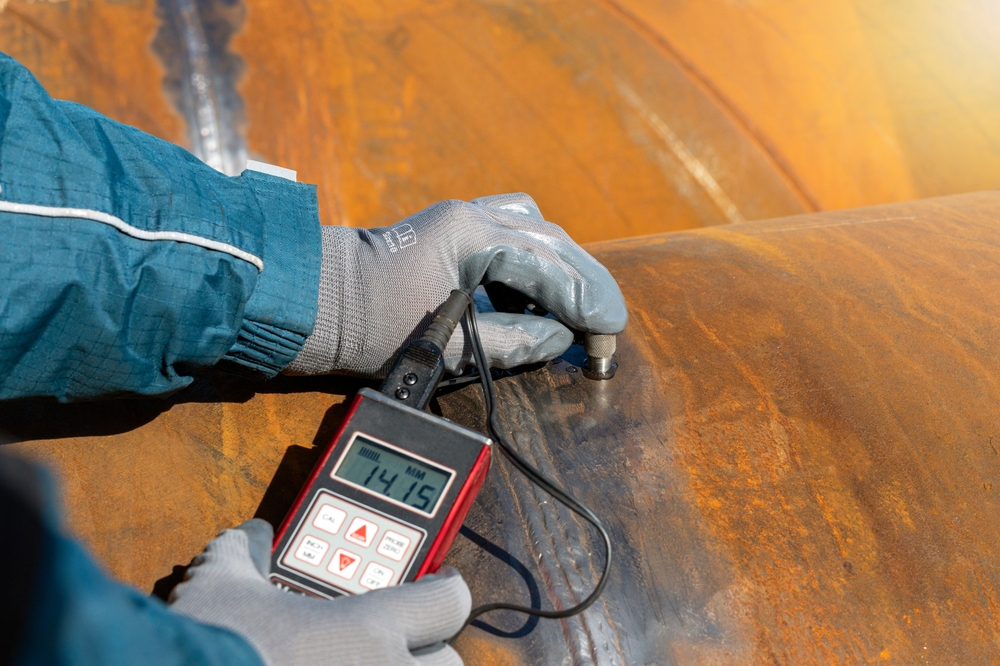
Why Pipeline Wall Thickness Measurement Is a Safety and Compliance Imperative Pipeline wall thickness measurement is one of the most important activities within a modern integrity management program. Whether operators manage transmission pipelines, gathering systems, process piping, or storage infrastructure, understanding the condition of the pipe wall is essential for safe operations, regulatory compliance, and ... Pipeline Wall Thickness Measurement: Methods, Standards, and Compliance
Corrosion Rate Test Methods: A Complete Guide
Nothing is more important to the oil and gas industry than the integrity of its infrastructure. Ensuring pipes remain intact and in good working order prevents loss of product and productivity, making corrosion one of the most insidious threats operators face. They must keep a close eye on their assets to ensure that piping, pressure ... Corrosion Rate Test Methods: A Complete Guide
What is Corrosion Monitoring Technology
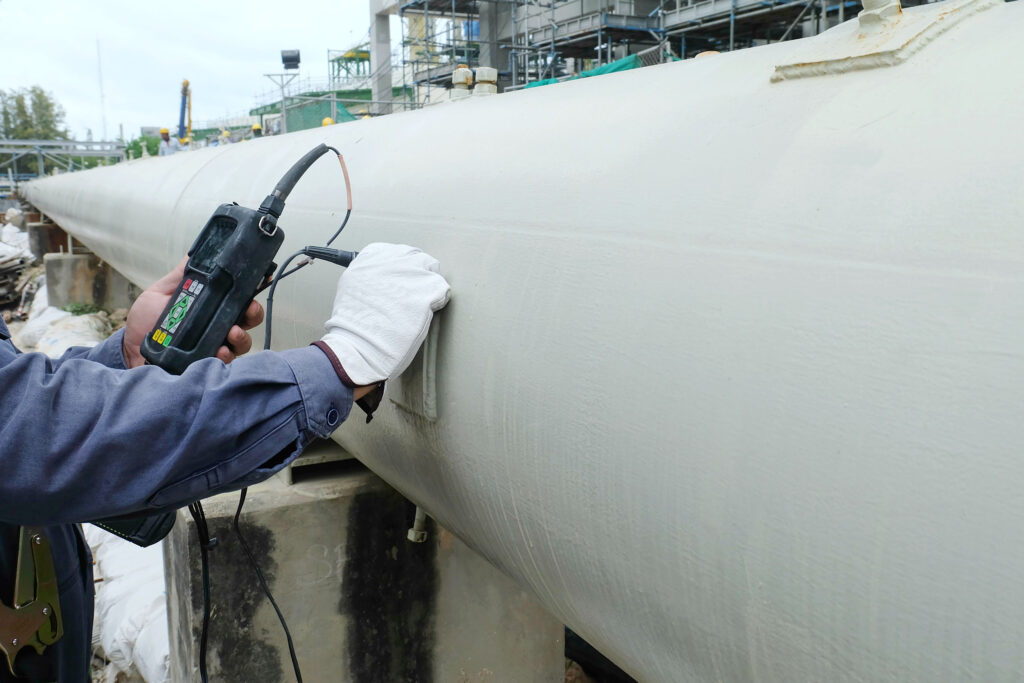
What Is Corrosion Monitoring Technology and Why Does It Matter for Asset Integrity? Corrosion monitoring is the real-time or near-real-time measurement of metal loss, corrosion rate, and environmental conditions in process equipment and pipelines. It is distinct from periodic inspection, which captures only point-in-time snapshots. Real-time monitoring ensures that corrosion rates remain within acceptable ranges ... What is Corrosion Monitoring Technology
Corrosion Under Insulation: Causes, Detection, and Prevention
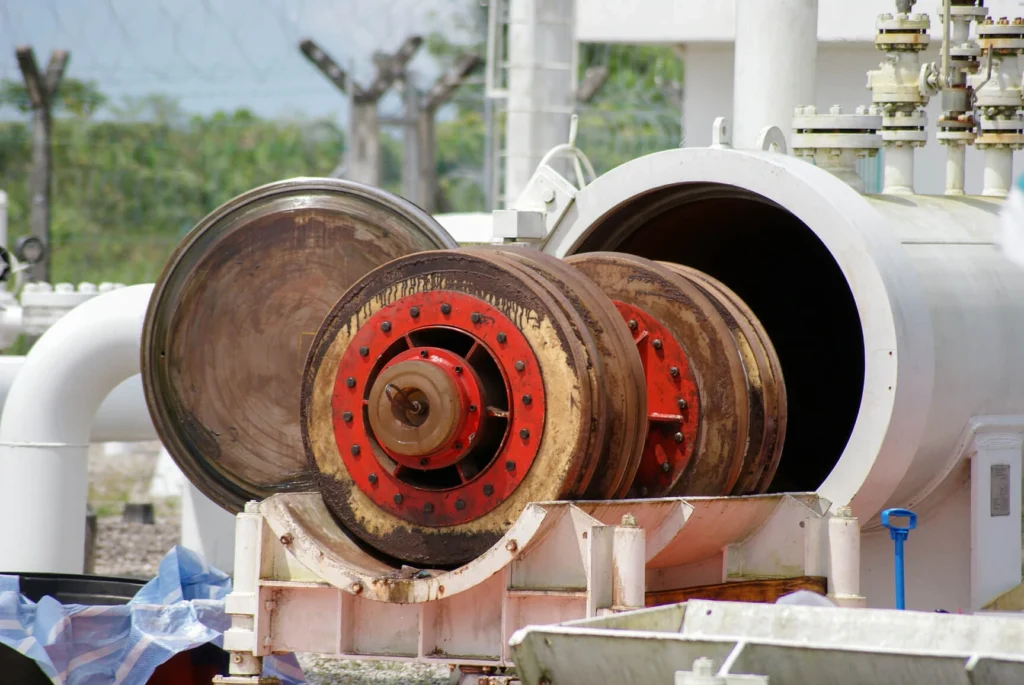
What Is Corrosion Under Insulation (CUI) and Why Is It a Critical Integrity Threat? Thermal insulation is critical in many pipeline operations, but it comes with a risk that can create serious trouble for operators. When moisture becomes trapped between the insulation and the metal surface, it can lead to what’s known as corrosion under ... Corrosion Under Insulation: Causes, Detection, and Prevention