



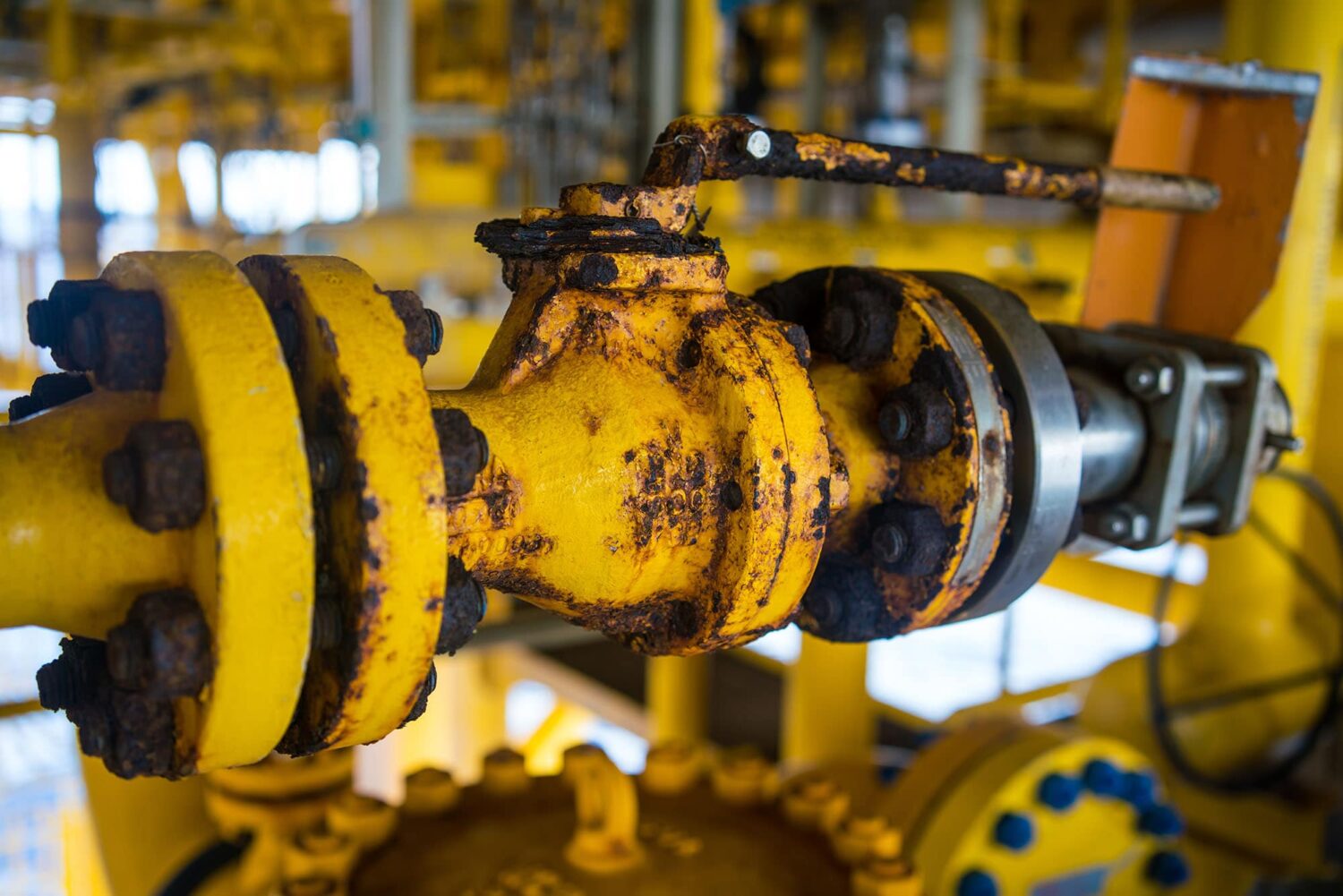
Nothing lasts forever, and that can create some major headaches for operators in the oil and gas sector. The pipelines they depend on for safe and efficient transmission of their precious resources are made of metal, and even the strong metals can fall victim to the insidious effects of corrosion over a long enough period of time without the proper maintenance. When pipes and vessels weaken or rupture due to the effects of corrosion, the results can be severe. Spills result in lost product, costly repairs, and environmental impacts that can hurt operators in a significant way.
To help them prevent the problem, operators need to understand the various types of corrosion, what causes them, the effect they have on their infrastructure, and strategies for preventing them. At SMARTCORR®, we’re leaders when it comes to corrosion monitoring and mitigation. We’ve seen it all, which is why we’ve prepared this guide to offer an overview of all the different kinds of corrosion oil and gas operators may encounter.
What is Corrosion?
Broadly defined, corrosion is an electrochemical process that causes certain metals to deteriorate under specific conditions. Rust is the most commonly known form of corrosion, but it only affects iron and alloys containing iron. Corrosion can happen to many different types of metals, including aluminum, copper, and zinc. The process can be triggered by metals making contact with water, air, chemicals, and even microorganisms. Here is a quick rundown of some of the most common types of corrosion found in oil and gas equipment:
General Corrosion
Also known as uniform corrosion, this occurs when metal comes into contact with moisture and/or oxygen. It is characterized by an even loss of metal across the surface of a pipe or vessel. As the metal is worn away gradually, it can lead to a loss of thickness in the walls of the asset that can eventually lead to leaks or ruptures.
Pitting
In some cases, water or chemicals can accumulate inside pipelines and stagnate. This often results in pitting, a form of corrosion that takes the form of small, localized cavities or holes in the metal. Pitting is one of the most challenging corrosion issues pipeline operators face, as it is responsible for most failures.
Galvanic Corrosion
Electrochemical reactions between two different metals that are connected via conductive liquids or soils can cause galvanic corrosion. This occurs when a difference in potential causes ions from one metal to move to the other, which weakens more-reactive material. This is most often found when two metals are welded together at a joint and in flanged connections.
Microbiologically Influenced Corrosion
The presence of bacteria and other microorganisms within the process fluid can lead to biofilms forming on the inside of pipes. These biofilms often generate organic acids or hydrogen sulfate as the result of metabolic activity, which accelerates the deterioration of the metal. Some of the telltale signs of this form of corrosion include pitting and walls becoming thinner in small, localized areas.
Crevice Corrosion
If there are any crevices within pipelines, they provide a space for corrosive byproducts to collect. Some common examples include in threaded collars, gasket joints, and any areas in which the coating on the metal surface has lifted away and created a bubble. These conditions can result in corrosion occurring within these small, isolated spaces where it can go unnoticed for a long time.
Sour Corrosion
Sour oil and gas streams contain high concentrations of hydrogen sulfide and carbon dioxide, which creates the conditions for hydrogen atoms to become absorbed into the steel that often makes up pipeline infrastructure. When the hydrogen enters the steel, it creates additional pressure inside the makeup of the material that may result in the metal cracking or blistering.
Erosion Corrosion
Electrochemical reactions can be hard enough for pipelines on their own, but erosion corrosion adds mechanical wear to the mix to make the problem even worse. This typically happens in pipelines that carry fluids containing sand, or have fluids traveling at high speeds. The abrasion created by these conditions can accelerate already-existing corrosion caused by typical reactions in the process stream, creating more issues for operators.
Stress Corrosion
Much like erosion corrosion, this variation adds physical wear on top of the existing electrochemical processes weakening the pipelines. In the case of stress corrosion, that wear takes the form of tensile stresses created by high operating pressures. The worst aspect of this type of corrosion is that it can bring about sudden, unexpected failures in the pipeline that can’t be predicted by monitoring wall thickness.
Strategies for Fighting Corrosion
Although corrosion is a naturally occurring phenomenon, there are some ways oil and gas operators can prevent it from having catastrophic effects on their assets. Examples of such strategies include:
- Cathodic Protection: This process shifts electrochemical reactions away from the pipeline itself to an external anode that corrodes in its place. By making the pipeline itself the cathode in an electrochemical cell, operators can protect it from the reactions that lead to corrosion.
- Coatings: Applying epoxy or polyurethane coatings to metal surfaces can insulate them from the corrosive elements inside and outside the pipeline.
- Inhibitors: There are certain chemical agents that, when applied to the surface of metal components, protect the metal from the reactions that lead to corrosion.
- Maintenance: Regular inspections and ongoing corrosion monitoring are important tools in the fight against corrosion. Maintenance teams can look for the signs of corrosion and replace affected elements before they can fail.
SMARTCORR® is the corrosion control partner trusted by operators throughout the oil and gas sector. We provide them with the engineering, equipment, software, and services they need to create their ideal integrated asset integrity solution. If you’re ready to learn more about how we can help you protect your assets, reach out and speak with a member of our team today.