Electrical Resistance ER Probe

Measuring Change in Electrical Resistance

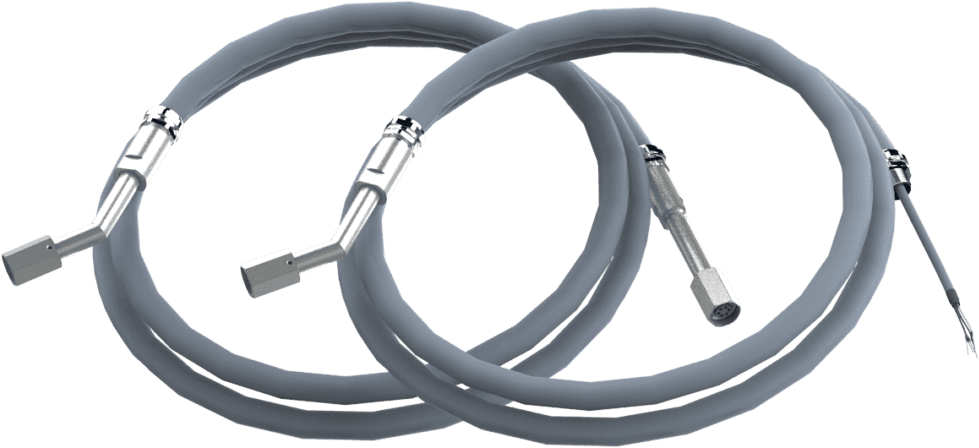
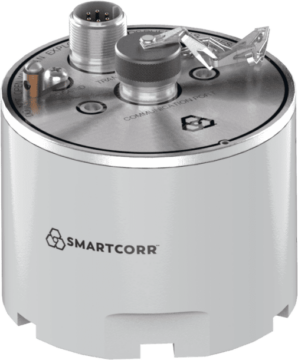
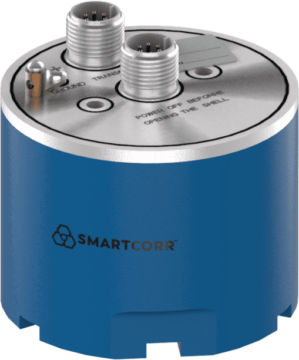
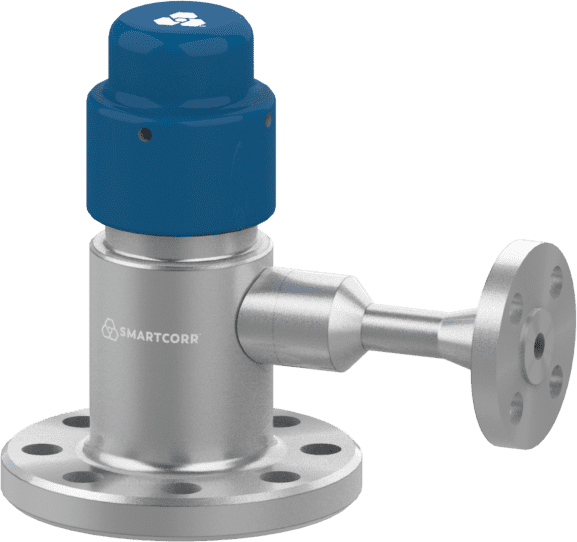
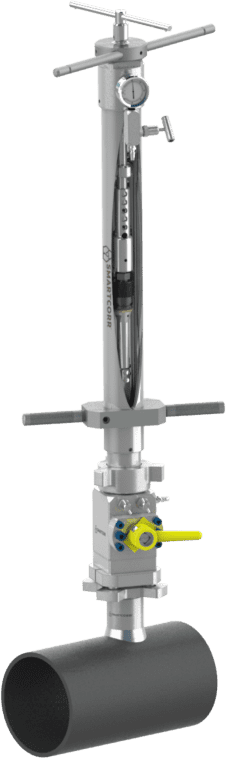
High-resolution ER probe has all the advantages of standard ER probe and can be applied in all environments and provide fast signal response and reliable measurement.

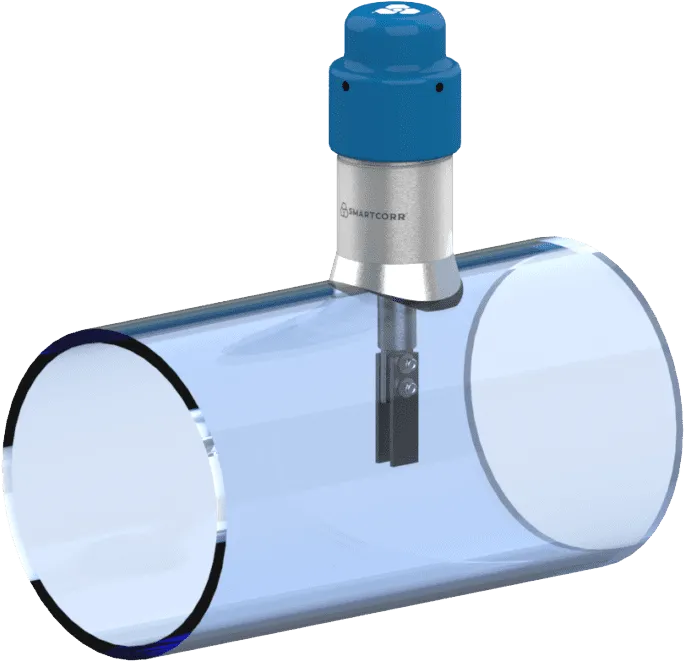
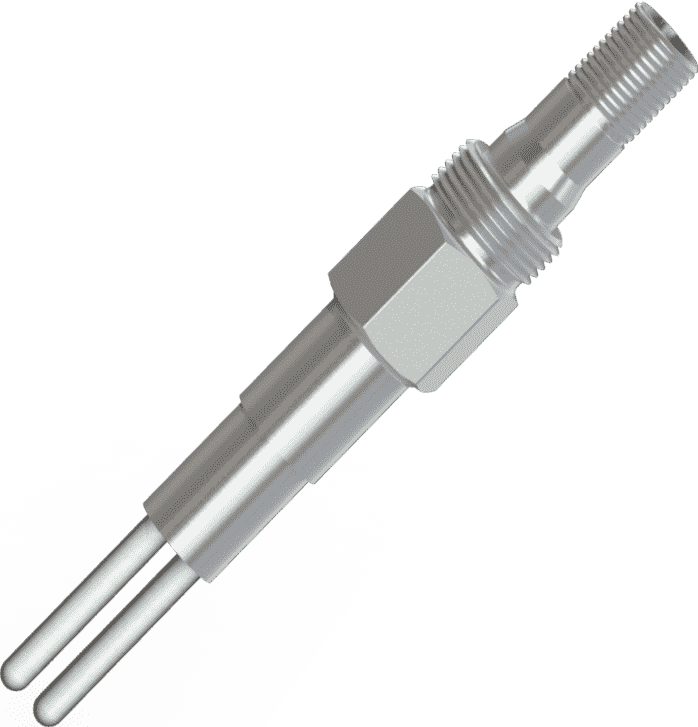
ER probe sensing elements come in a variety of geometries, the most common of which are wire loop, tube, strip, cylindrical, and flush mounted. Choosing the right one for your specific application starts with understanding your requirements and which one will provide the best performance in that situation. For example:

  • Wire loop elements offer high sensitivity and low susceptibility to system noise, making them a good choice in most general monitoring installations
  • Flush mounted elements are designed to be mounted flush to the vessel wall, which means they are most capable of simulating true corrosion rates in erosion-corrosion environments
  • Cylindrical probes are suited for virtually any aggressive environment because there is no sealing material other than the parent metal

In addition, the materials for the corrosion probe also need to be carefully considered. Whether the probes are carbon steel, stainless steel, or corrosion-resistant alloy, they need to match the metallurgy of the monitored equipment per NACE standards. The key parameters are response time and required probe life, with the probe’s element thickness, geometry, and anticipated corrosion rate determining these.

Working with SMARTCORR® engineers gives you the opportunity to custom-design probes to match your specific process conditions, metallurgy, and corrosion mechanisms. Our ER probes are manufactured using Six Sigma and LEAN processes with DMG Mori/OKUMA CNC precision machining for the highest quality.


Although there are alternatives to ER probes, they come with some limitations. For example, LPR tools provide instant corrosion measurements for the fast detection of changes in degradation mechanisms. However, they require a conductive electrolyte such as water to be present. Corrosion coupons provide accurate measurement of corrosion rate in any environment, but they require an extended timeframe before meaningful information can be collected. ER sensors can measure metal loss under all conditions while also reflecting the corresponding characteristics, working in both conductive and non-conductive environments.

We’re the only integrated provider offering ER probes, LPR probes, corrosion coupons, and access fitting bodies. This means operators can deploy complementary ER techniques without juggling multiple vendors. Our SCEMS software platform integrates the data from all these corrosion monitoring methods into a single platform for unified damage trending and predictive analytics.

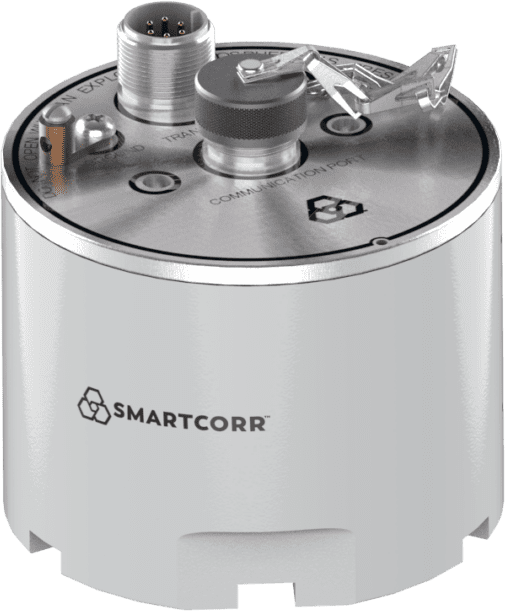
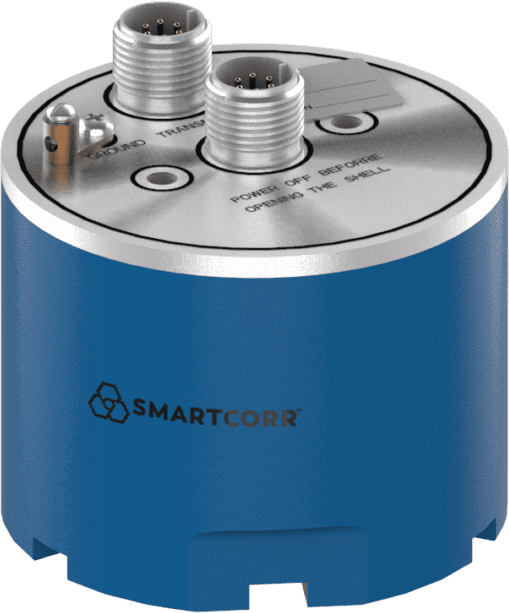
SMARTCORR® offers a better alternative to manual data collection. Rather than putting up with the safety risks, travel costs, and infrequent readings of manual processes, our wireless hifgh-resolution ER transmitters and data loggers achieve one-second logging intervals for high-resolution corrosion trending. The SCEMS corrosion management software platform serves as the integration layer that connects ER probe data with LPR, coupon, UT, chemical sampling, and CP monitoring data with CO2/H2S corrosion prediction models for predictive maintenance.

Automated ER monitoring enables compliance with PHMSA integrity management requirements. These include the 2023 PHMSA Mega Rule Part 2 and its strengthened requirements for internal and external corrosion controls related to monitoring and surveys.

How long do ER probe elements last before replacement?

The lifespan of a probe element is determined by its thickness, with thicker ones lasting longer but providing slower response times.

The lifespan of a probe element is determined by its thickness, with thicker ones lasting longer but providing slower response times.

Can ER probes detect localized pitting corrosion?

Standard electrical resistance probes measure average metal loss, and therefore may not detect highly localized pitting. Flush-mounted or specialized geometries can improve detection of localized corrosion by simulating true wall conditions.

Standard electrical resistance probes measure average metal loss, and therefore may not detect highly localized pitting. Flush-mounted or specialized geometries can improve detection of localized corrosion by simulating true wall conditions.

What maintenance do ER probes require?

Probes require periodic calibration verification, element replacement scheduling, and access fitting inspections.

Probes require periodic calibration verification, element replacement scheduling, and access fitting inspections.

Are ER probes suitable for high-temperature or sour service?

Probes may require sour service suitability checks for NACE MR0175 compliance in H2S environments up to rated pressure/temperature. Work with the SMARTCORR® PROSERVE team to gain the insights you need to achieve the best results.

Probes may require sour service suitability checks for NACE MR0175 compliance in H2S environments up to rated pressure/temperature. Work with the SMARTCORR® PROSERVE team to gain the insights you need to achieve the best results.

Oil and Gas pipeline corrosion monitoring.

REQUEST A QUOTE

If you are interested in what we offer, connect with us. We look forward to hearing from you.

Contact Us