

Linear Polarization Resistance (LPR) Probes

How LPR Probes Measure Instantaneous Corrosion Rates

A linear polarization resistance probe monitors how the current between two charged electrodes relates to electrochemical potential. There exists a connection between how well a fluid conducts electricity and how corrosive it is. Electrodes that corr

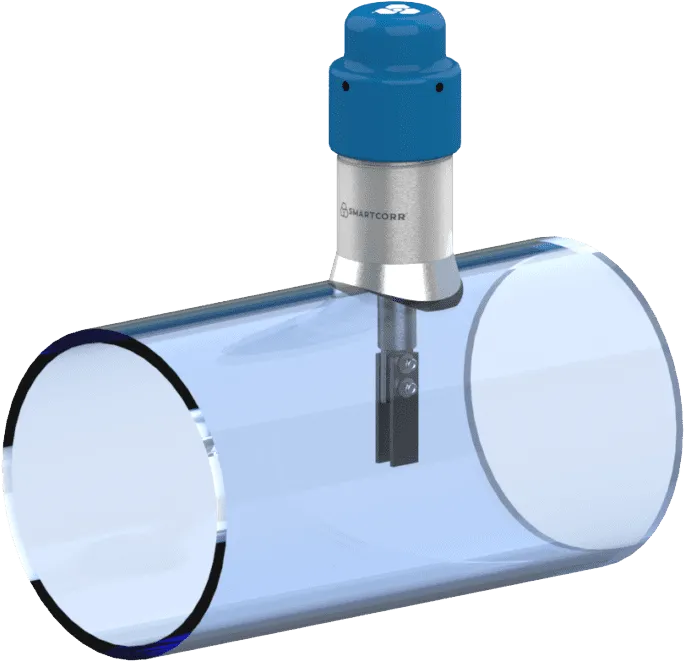
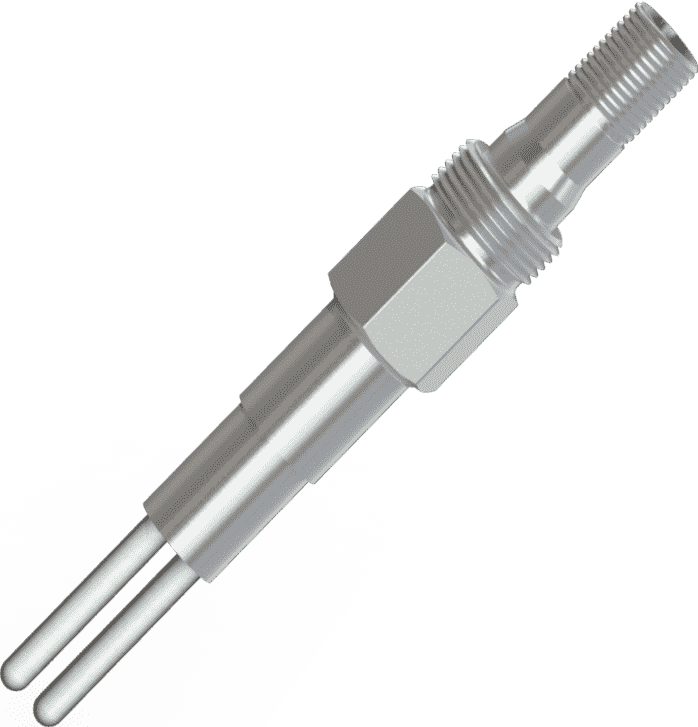
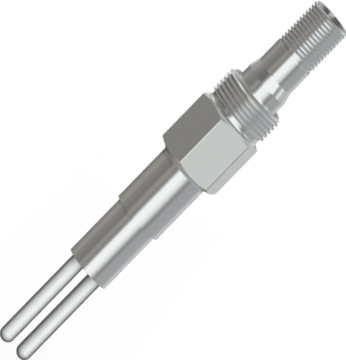
A linear polarization resistance probe monitors how the current between two charged electrodes relates to electrochemical potential. There exists a connection between how well a fluid conducts electricity and how corrosive it is. Electrodes that corrode at a high rate will emit metal ions into a solution, meaning a small potential introduced between the electrodes will lead to a high current. When inserted into a pipeline, an LPR corrosion probe measures this reaction and alerts the operator when changes have been detected. The ratio of the applied voltage to the current produced is inversely proportional to the corrosion rate, meaning any changes may signal a higher rate of corrosion.

Our LPR probes for corrosion monitoring feature two- or three-electrode configurations, with materials matched to the process environment. Thanks to their one-second minimum data logging interval, crews can respond within minutes, rather than the weeks it can take to get information when using coupons. They feed their data directly into the SCEMS software platform for CO2/H2S corrosion prediction and automated reporting. Because LPR probes require an electrolytically conductive environment, electrical resistance (ER) probes may be needed to complement them for non-conductive or hydrocarbon-only streams.

Record Probe Results

One of the strongest advantages to using LPR corrosion probes is how quickly they produce results. An LPR probe system can tell operators within minutes if there are any changes to the corrosion rate. This means LPR measurement instruments enable a n

One of the strongest advantages to using LPR corrosion probes is how quickly they produce results. An LPR probe system can tell operators within minutes if there are any changes to the corrosion rate. This means LPR measurement instruments enable a near-instantaneous response. The LPR technique is utilized to maximum effect when installed as a continuous monitoring system. The LPR sensor can be applied in almost all types of water-based, corrosive environments.

Compatible Environments & Fluid Systems for SMARTCORR® LPR Probes

SMARTCORR® LPR probes are engineered to provide real-time galvanic corrosion monitoring in numerous conductive, water-based environments. Some prominent examples of applications for these systems include:

  • Oil and gas pipelines — Tracking real-time metal loss in high-pressure fluid-transport systems
  • Cooling towers — Monitoring the corrosivity of recirculated water as well as detecting scaling or microbiological activity
  • Industrial water processing — Observing corrosion potential in treated or raw water systems across refineries, chemical plants and manufacturing facilities
  • Domestic water treatment — Ensuring effective corrosion control in municipal and building-level potable water distribution networks

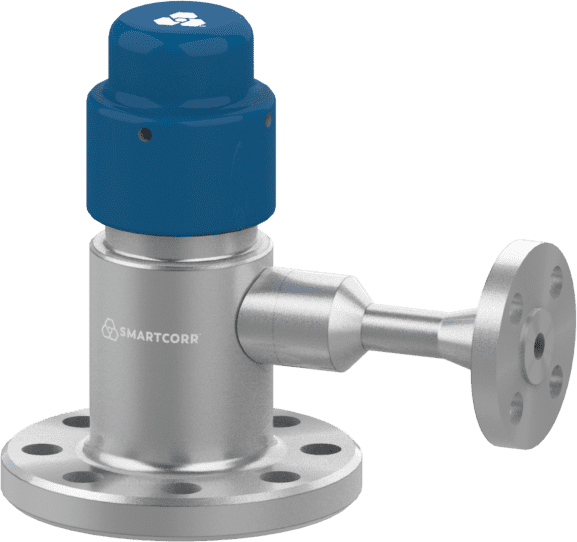
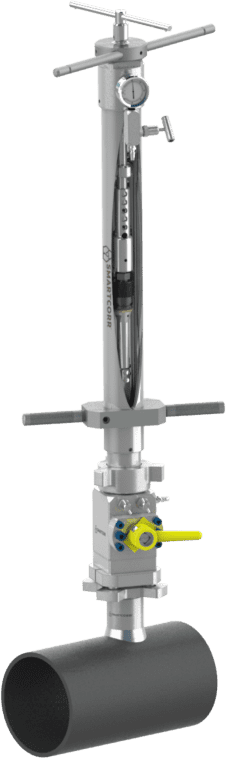
Deployment uses access fittings rated between 6,000 and 10,000 psi, which enables live retrieval without the need to shut down the process. The electrode materials are matched to the process fluid composition, temperature, and pressure according to our custom engineering process. Our probes and fitting assemblies also comply with ASME B31.3, NACE, ANSI, ASTM and API standards.

LPR Probe Applications in Oil & Gas, Pipelines, and Industrial Water

Our LPR probes are used most frequently in the following sectors:

  • Upstream oil and gas — Production wells, gathering lines, secondary recovery
  • Midstream — Natural gas transmission, NGL pipelines
  • Downstream — Amine sweetening units, process water circuits
  • Cooling Water Systems
  • Industrial Water Treatment
  • Potable Water Systems

Our probe systems comply with PHMSA 49 CFR 192/195 and support risk-based inspection programs as per API 580/581. Because they feed into our SCEMS software platform, they can provide actionable analytics, not just raw data. Our technology serves clients including ADNOC, BP, Shell, ExxonMobil, and CNOOC.

Our solutions may employ complicated scientific principles, but the key to our success is much simpler. We believe in providing our customers with the best experience from beginning to end. In everything we do, our goal is to develop and maintain lifetime partnerships with the companies we serve. No matter what type of challenges they have, we deliver targeted solutions to overcome them. We know we won’t be successful until our clients are, and that drives all our efforts. In addition to our com

Our solutions may employ complicated scientific principles, but the key to our success is much simpler. We believe in providing our customers with the best experience from beginning to end. In everything we do, our goal is to develop and maintain lifetime partnerships with the companies we serve. No matter what type of challenges they have, we deliver targeted solutions to overcome them. We know we won’t be successful until our clients are, and that drives all our efforts.

In addition to our commitment to quality, we also hold ISO 9001/14001/45001 certifications, with zero reportable injuries across 1.5 million hours worked between 2020 and 2025. Our NACE/ANSI/ASTM/API/ASME compliance and more than 20 years of experience make us the leaders in the space. We’re also the only corrosion monitoring supplier integrating LPR probes with ER probes, coupons, access fittings, retrieval tools, data logging, and SCEMS software. In addition, our PROSERVE technical service provides dedicated post-installation mechanical, electronic, software, and data analysis support.

What fluids are compatible with LPR probes?

These probes are most effective when used in water or aqueous fluids that have conductivity but are not contaminated by oil.

How is the sensor calibrated and maintained?

LPR probes typically require periodic cleaning and inspection to prevent fouling. They also need to be validated to ensure they compare properly to corrosion coupons and ER probes.

How do LPR probes compare to corrosion coupons?

Unlike corrosion coupons, which need to be removed from the process flow and examined to determine the rate of corrosion, LPR probes offer instantaneous, real-time data. This provides maintenance teams with a faster and more immediate assessment of how corrosive the environment inside their pipelines has become, giving them the foresight to make adjustments or repairs as needed.

REQUEST A QUOTE

If you are interested in what we offer, connect with us. We look forward to hearing from you.

Contact Us